
Essential Photobooth Features to Consider for Your Melbourne Event
Choosing the right photobooth can turn a fun guest activity into a powerful engagement and branding moment for weddings, corporate events and private parties. This guide highlights the features that most directly affect guest experience, image and print quality, brand visibility and operational reliability, so you can choose a provider who protects both memories and messaging. You’ll learn how camera and lighting choices influence prints and digital files, which booth types suit specific event goals, how customisation and branded deliverables increase shareability, and which service and digital-integration features to prioritise. We lay out practical decision rules for weddings, corporate activations and birthday parties, plus checklists for comparing packages and assessing value. Clear comparisons, jargon-free technical notes and action-ready lists make it easy to weigh options and ask vendors the right questions. By the end you’ll have a straightforward decision framework and concrete supplier criteria to brief organisers or evaluate quotes with confidence.
Why Image and Print Quality Matter for Photobooth Hire in Melbourne
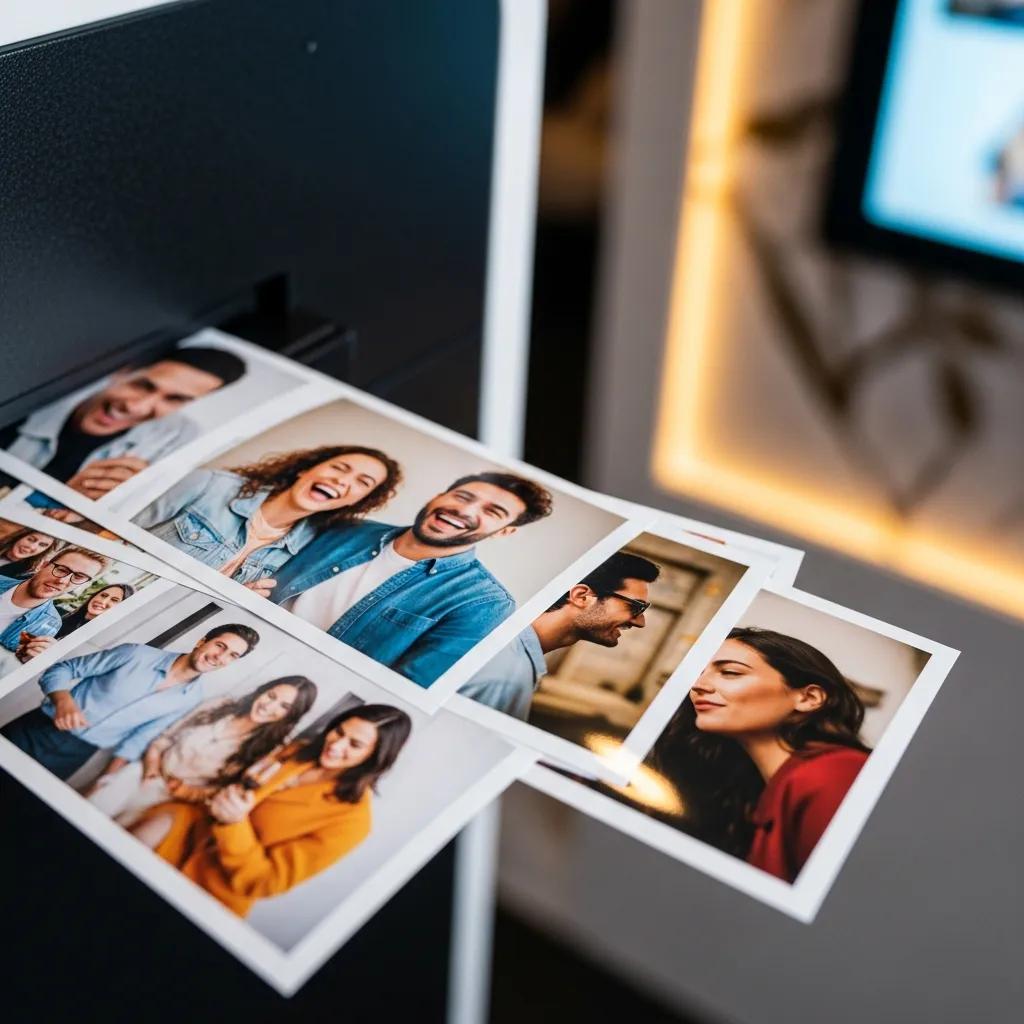
Image and print quality decide whether event photos become treasured keepsakes, social hits or forgettable snaps. Good sensors, consistent exposure and soft, diffused lighting produce sharp images and natural skin tones that hold up to enlargement and online sharing — protecting your event’s perceived value and visual identity. Reliable capture reduces post-processing time and ensures printed strips and online galleries look consistent from the first guest to the last, which matters for organised receptions and busy corporate activations. Knowing how camera and lighting choices affect both physical prints and social outputs helps you prioritise the features that matter when comparing suppliers.
Professional cameras and lighting are central because they control noise, dynamic range and colour fidelity in a range of venue conditions. Modern DSLRs capture more detail and cleaner low-light performance than compacts or phones, enabling larger prints and higher-quality digital exports. Studio-style lighting and diffusers deliver even illumination and flattering skin tones, minimising harsh shadows and blown highlights that spoil prints and reduce shareability. Those technical advantages create consistent results across diverse venues and lower the risk of disappointing photo takeaways.
Image quality also affects file formats and long-term usability, which matters for post-event marketing and archiving. Higher-resolution files give organisers flexibility to produce promotional materials, while well-balanced lighting reduces heavy colour correction that can degrade detail. When providers deliver both high-resolution digital files and calibrated prints, organisers gain more options for follow-up campaigns and attendee downloads. Choosing equipment and workflows that prioritise these outputs keeps your photos useful well after the event.
To illustrate practical differences between common capture setups, the table below compares representative camera and lighting configurations and their event-level benefits. Use it to match technical capability to your priorities and expected deliverables.
Different capture systems deliver distinct advantages for event photos and prints.
| Capture Component | Characteristic | Practical Benefit |
|---|---|---|
| DSLR (e.g., Canon EOS 700D) | Larger sensor, interchangeable lenses | Sharper images and better low-light detail — ideal for larger prints and slow-motion 360 captures |
| Studio lighting kit | Softboxes / LED panels with diffusers | Even illumination, natural skin tones and consistent exposures across varied venues |
| High-resolution prints | 300 DPI or higher on quality stock | Durable keepsakes that reproduce facial detail and brand elements clearly |
| Digital RAW / JPEG outputs | RAW for editing, JPEG for instant sharing | Flexibility for post-event marketing and immediate guest sharing |
This comparison highlights trade-offs between capture hardware and output formats so you can prioritise the specs that matter for prints, social content and marketing. Understanding these differences makes it easier to ask suppliers for concrete deliverables rather than vague promises.
For example, many Melbourne photobooth teams pair professional-grade cameras like the Canon EOS 700D with studio lighting rigs to ensure consistently sharp, well-lit photos suitable for both prints and social sharing. That setup reduces variability from venue lighting and improves printed strip fidelity, which boosts guest satisfaction and perceived event quality. The same equipment also supports higher-frame-rate capture for 360 booths and short video outputs, linking image-quality decisions to booth-type performance.
How DSLR Cameras Improve Photobooth Image Quality
DSLRs improve photobooth image quality through larger sensors and interchangeable lenses that capture more detail and handle low light better than compact cameras. Bigger sensors reduce noise at higher ISOs, preserving facial detail in dim venues, and lens choice lets operators control framing and depth of field for flattering portraits. DSLRs also support faster shutter speeds and higher-quality video capture — important for dynamic outputs like slow-motion 360 videos and GIFs. Those strengths translate into prints that stay sharp at larger sizes and cleaner digital files for marketing and social sharing.
Operators using DSLRs can supply both instant JPEGs for guest sharing and higher-fidelity RAW files for organisers who want post-event edits or archival quality. RAW files retain colour and highlight information for retouching, while in-booth JPEGs streamline the guest experience with immediate sharing. Choosing a provider that commits to DSLR-level capture and controlled lighting lowers the chance of grainy, unflattering images that hurt guest engagement and brand presentation.
Why Studio Lighting Matters for Flattering Event Photos
Studio lighting matters because it controls direction, softness and colour temperature — the three variables that shape skin tones, shadow depth and overall consistency. Softboxes and LED panels with diffusers create even light that flatters faces and cuts harsh shadows, which is especially important in venues with mixed lighting or coloured uplights that confuse automatic white balance. Consistent lighting reduces corrective editing and helps printed strips match digital previews, preserving the intended look across physical and social outputs. For outdoor receptions, portable LED panels and reflectors balance bright sunlight and deliver professional results.
Good lighting also speeds up session flow by cutting the number of unusable frames and re-takes caused by inconsistent exposure. Fewer retakes increase throughput and guest satisfaction — crucial at busy events where booth time is limited. Discussing lighting strategy with your provider helps anticipate venue adjustments so images look intentional rather than improvised.
Benefits of High-Resolution Prints and Digital Files
High-resolution prints and digital files play complementary roles: prints give guests tangible keepsakes while quality digital files power social sharing and post-event marketing. Prints at 300 DPI maintain facial detail and legible logos on photo strips and mounted formats, preserving brand elements and event dates for display. High-resolution digital exports let organisers create promotional materials or press assets without loss of detail and give attendees downloads suitable for social posts or print-on-demand. Together, strong prints and files extend the value of your photobooth investment beyond the event itself.
Deliverables that include both printed strips and an online gallery increase the content’s lifespan and usability for organisers, enabling follow-up email campaigns and social amplification. Confirming required resolutions and delivery formats with suppliers up front prevents surprises and ensures you receive assets fit for marketing and archival use.
How Customisation and Branding Lift Your Melbourne Event Photobooth
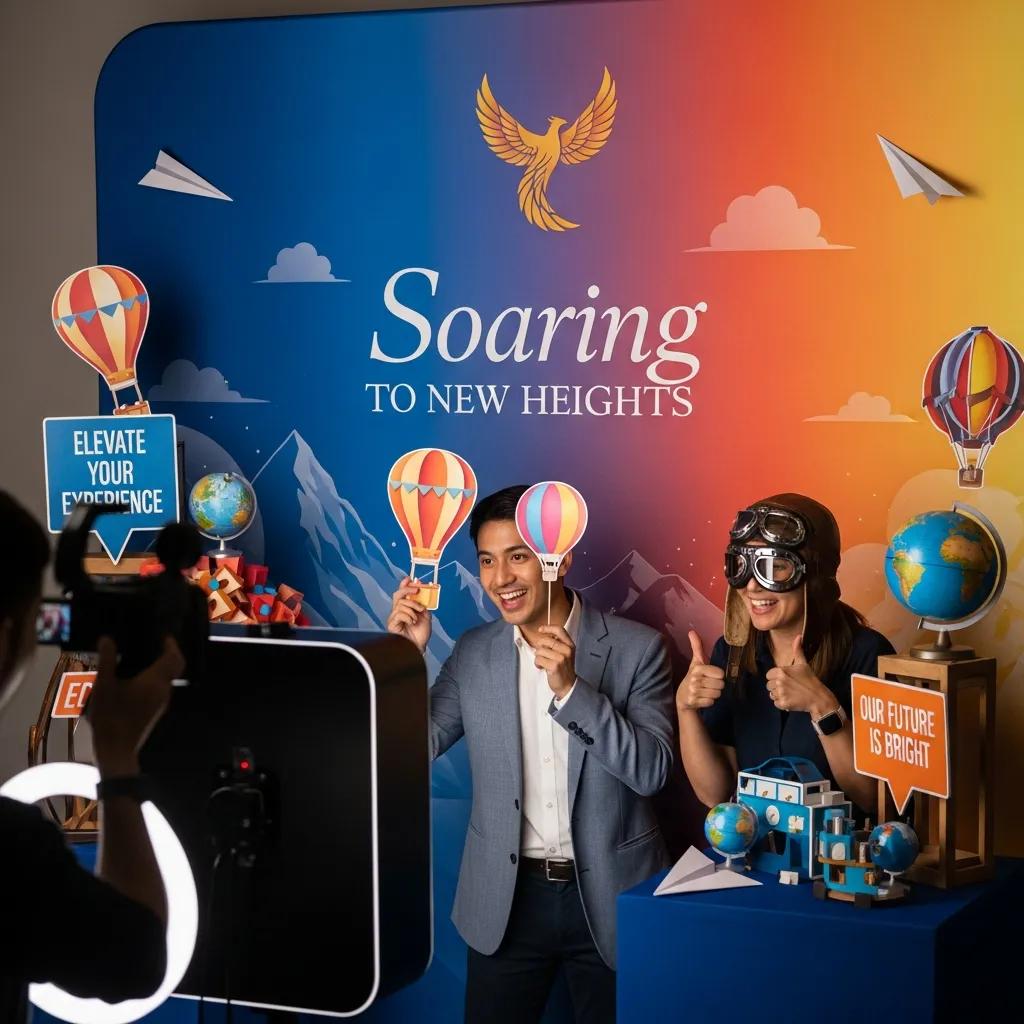
Customisation and branding turn photobooth moments into memorable touchpoints that support event themes and corporate identity. Branded overlays, personalised photo-strip templates and tailored backdrops ensure every image carries event-specific messaging or sponsor visibility, increasing post-event impressions when guests share photos. Consistent visual elements help hosts measure reach and let attendees associate positive experiences with the brand. Prioritising custom options creates cohesive storytelling across both prints and digital outputs.
When reviewing customisation choices, consider how visible logos, colour-matched backdrops and on-screen branding read in both prints and social formats. Templates benefit from clean typography and high-contrast placement so logos stay legible at small sizes, while backdrops should complement lighting and guest attire to avoid clashes. Themed props and interactive overlays increase dwell time and shareability, turning casual booth visits into branded engagement opportunities. Asking to see sample templates and mockups before the event helps avoid legibility or colour problems.
To give corporate clients a clear promotional path, link physical deliverables with digital lead capture and follow-up. Branded photo strips can include QR codes or short URLs that point to product pages or sign-up forms, and online galleries can feature sponsor badges and share prompts. These combined tactics increase measurable visibility and turn a fun activation into a trackable marketing tool.
We also offer a wide range of custom promotional products to help businesses boost brand visibility and leave a lasting impression.
Custom Backdrops and Green Screen Options
Backdrop options include fabric and vinyl step-and-repeat banners, printed tension-fit walls and portable frames that adapt to venue constraints. Fabric is lightweight and reduces glare, vinyl gives crisper logos for close-up shots, and step-and-repeat layouts deliver repeated branding ideal for corporate photos. Green screen systems let organisers swap backgrounds digitally, offering limitless scenes without the transport or storage burden of multiple physical backdrops. Choose with an eye to visual impact, venue space, setup complexity and how the material works with studio lighting.
Logistics such as backdrop width, height clearance and attachment points matter for both aesthetics and safety, so discuss dimensions and site plans with your supplier in advance. Green screen outputs need even lighting to avoid colour spill and deliver clean composites, which ties backdrop choice back to the lighting strategy discussed earlier. Picking the right option ensures backdrops enhance — not distract from — subjects and branding.
How Themed Props and Accessories Boost Engagement
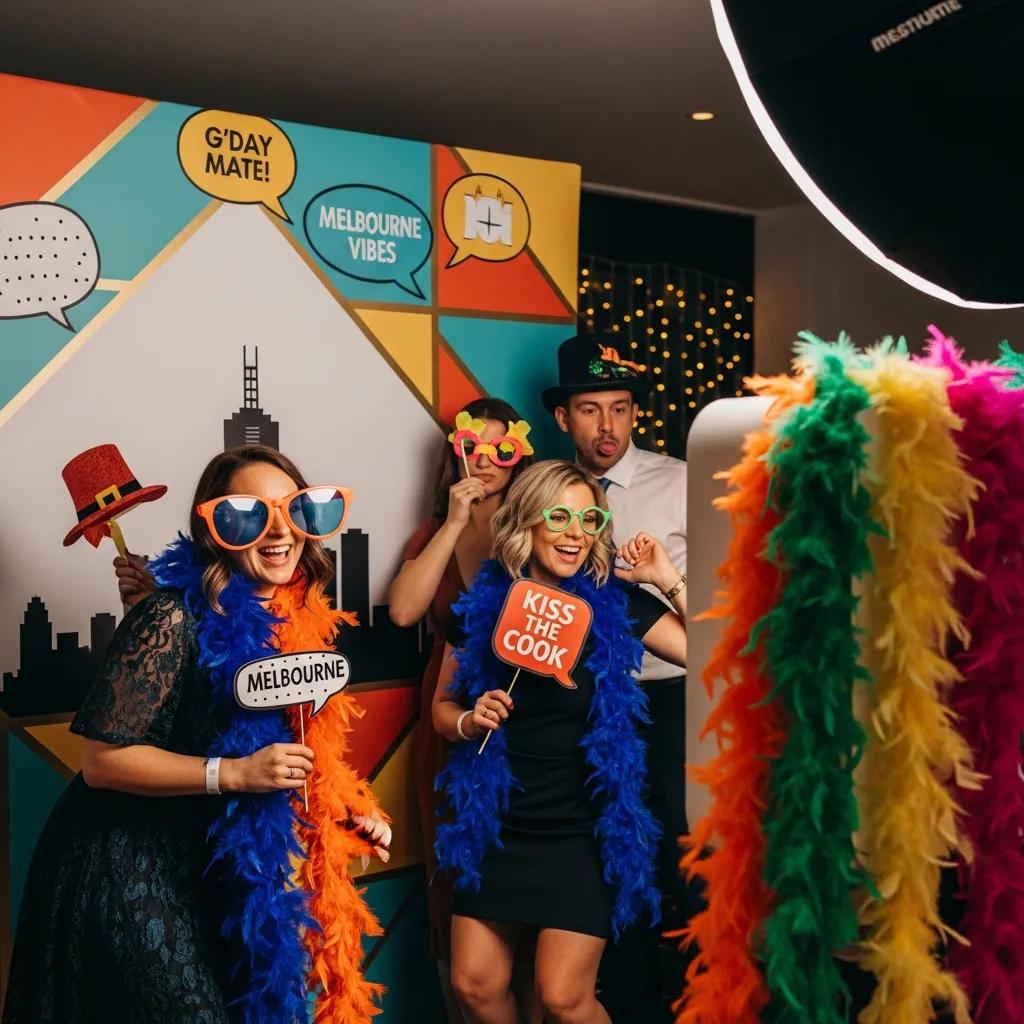
Themed props encourage playful interaction, increase booth dwell time and make guests more likely to share images. Curated prop kits aligned with event themes — formal accessories for weddings, branded items for corporate launches, colourful props for birthdays — help photos look cohesive and relevant rather than random. Hygiene protocols, quick sanitisation between uses and durable prop design also shape guest confidence and experience. A thoughtful balance of variety and thematic relevance raises engagement without creating clutter.
Props are also subtle branding opportunities: custom-printed hand-held signs or branded wearables reinforce sponsor messages with low friction. Choosing props that photograph well under studio lighting keeps images strong and shareable. These small nudges toward on-brand content increase the value of every captured photo.
Why Personalised Photo Strip Templates Work
Personalised templates let hosts embed event names, dates, sponsor logos and theme colours directly into printed keepsakes, extending brand visibility after the event. Good templates prioritise clear logo placement, uncluttered backgrounds for faces and readable typography sized for small prints. Designers should test templates in both vertical and horizontal layouts to confirm legibility across strip sizes and social crops. When templates match the event’s visual identity, they raise the perceived quality of the activation and create consistently shareable assets.
Custom templates also support on-the-day calls-to-action — hashtags, gallery passwords or URLs — encouraging immediate social amplification. Confirm revision limits and proofing timelines with your supplier to avoid last-minute compromise. Well-executed templates turn simple photos into lasting brand touchpoints.
Which Photobooth Types Suit Your Melbourne Event?
Picking a photobooth type links your engagement goals with venue constraints, guest mix and marketing objectives. Each format — 360 photobooths, interactive mirrors, open-air setups and enclosed booths — delivers a different guest experience and needs distinct space, power and staffing plans. Matching the booth to event tone (an elegant wedding, high-energy product launch, or relaxed birthday) helps ensure outputs and guest flow support the occasion rather than disrupt it. Understanding trade-offs between spectacle, capacity and footprint helps organisers choose the best fit.
Factor logistics into your decision: some booths need elevated platforms and more power, while others are compact and mobile-friendly. Outputs differ too — 360 booths create short, highly shareable videos; mirror booths offer animations and signatures; open-air booths accommodate large groups. Use those functional differences to choose a booth that supports your marketing and experiential goals.
Decide which booth best supports your priorities by reviewing sample outputs and confirming setup requirements with providers before booking. Check space measurements, power access and any floor protection needs to avoid day-of issues. Clear pre-event communication reduces risk and helps the chosen booth perform as expected for your audience.
The immersive 360 photobooth captures short, shareable video clips by rotating a camera around a posing subject or by turning the platform, creating dynamic slow-motion or hyper-lapse content that performs well on social media. Its strength is engagement and spectacle — guests often share branded clips immediately for strong organic reach. Technical needs include a stable platform, multiple camera mounting points or a spinning rig, and reliable lighting to avoid motion blur. 360 booths are especially effective at product launches and high-energy receptions where viral clips amplify presence.
| Booth Type | Ideal Event Size | Engagement Type |
|---|---|---|
| 360 Photobooth | Medium to large receptions | High-energy video clips and social virality |
| Interactive Mirror Booth | Small to medium gatherings | Animated interaction, instant prints and signatures |
| Open-Air Photobooth | Any size, especially groups | Flexible framing and large group shots |
| Enclosed Photobooth | Small groups, privacy-focused events | Classic strip experience and intimate portraits |
What to Expect from a 360 Photobooth Experience
A 360 photobooth produces short motion videos by revolving a camera around a posed subject or rotating the platform, creating cinematic clips and slow-motion highlights ideal for social sharing and event promotion. These clips are highly engaging and often go viral when guests post branded content, making 360 booths well suited to energetic receptions and launches. The format needs clear floor area, secure rigging and coordinated lighting to preserve image quality while rotating. When run well, 360 booths deliver standout content that complements traditional photography and drives measurable social reach.
How Interactive Mirror Booths Engage Guests
Interactive mirror booths pair a responsive mirrored surface with animated prompts, virtual props and instant-print functionality to create an intuitive, playful experience. Guests follow on-screen cues, sign or draw on images, and get physical prints while digital copies are sent to galleries or devices — encouraging both dwell time and sharing. On-screen branding and custom animations boost sponsor visibility and event identity. For corporate clients, mirror booths provide clear usage metrics that tie directly to brand exposure.
Open-Air vs Enclosed Photobooths — Key Differences
Open-air booths are flexible, fitting large group shots and varied backdrops while using a smaller footprint; enclosed booths prioritise privacy and a classic strip look with tightly controlled lighting and composition. Open-air setups allow creative framing and audience interaction, ideal for parties and big wedding groups. Enclosed booths suit intimate portraits and formal events where privacy or a retro feel is preferred. They also differ in setup complexity, transportability and cost — enclosed booths can require more assembly space. Choose based on guest expectations, venue layout and the style of deliverables you want.
Why Professional Service Matters for a Smooth Photobooth Activation
Professional service delivers reliable setup, smooth operation and positive guest interactions — all factors that affect how a photobooth supports an event’s flow and reputation. Trained attendants, experienced setup crews and clear logistics planning prevent downtime, manage queues and maintain hygiene, protecting photo quality and guest satisfaction. Service quality also determines how quickly issues are resolved onsite, minimising disruption to entertainment schedules and ensuring promised deliverables are met. Assessing provider service models helps organisers avoid day-of surprises and keeps the event on track.
Clear expectations about arrival windows, setup and pack-down, and on-site staffing levels reduce the coordination load for organisers. Well-trained attendants assist guests, troubleshoot minor technical problems and maintain props and printers, keeping the activation efficient and enjoyable. Reviews citing punctuality and equipment reliability are good indicators of consistent service. Prioritising professional service alongside technical features ensures your photobooth enhances rather than complicates event management.
How an Experienced Attendant Improves Your Event
An experienced photobooth attendant keeps sessions moving, helps with props and poses, and performs routine checks to maintain print and software quality throughout the event. Attendants enforce hygiene, manage queues during peak times and act as on-site liaisons with the venue and organiser, reducing your workload. Their quick troubleshooting for connectivity, printer jams or lighting tweaks keeps sessions flowing and prevents negative guest experiences. Staffing recommendations tied to expected guest numbers help ensure the activation remains efficient and engaging.
Delivery, Setup and Pack-Down — What to Expect
Delivery, setup and pack-down should be clearly scheduled in your agreement and spell out requirements for power, site access, floor protection and contingency plans for venue constraints. Professional setups include an agreed arrival window, a dedicated space for assembly and a short testing period to calibrate cameras and lighting before guests arrive. Pack-down should be efficient and coordinated with venue timings to avoid overruns. Confirming these details in advance reduces day-of stress and helps the booth integrate smoothly with other vendors.
How Customer Reviews Reveal Service Quality
Customer reviews help assess punctuality, equipment reliability and attendant performance — especially when paired with photo or video samples that show actual output quality. Look for recurring themes: consistent praise for setup speed or repeated complaints about late arrival indicate service patterns rather than one-off issues. Reviews mentioning responsiveness to issues and print quality are particularly useful when judging operational competence. Use reviews alongside sample deliverables to build a realistic expectation of event-day performance.
Digital Features That Improve Sharing and Guest Interaction
Digital integration turns captured moments into measurable reach via instant sharing, online galleries and social-first outputs like GIFs and boomerangs. These features increase content distribution, enable live social amplification and support post-event marketing by supplying organisers with shareable assets and analytics. Choose a photobooth workflow that balances immediate guest sharing with privacy controls and durable gallery storage to maximise guest satisfaction and event outcomes. Prioritise digital tools that match your sharing goals and data-protection needs.
Instant-sharing workflows usually include on-screen prompts for email or SMS delivery, QR download links and one-click social posting to reduce friction and boost distribution. Giving guests multiple sharing options raises the chance content is posted with event hashtags, amplifying reach. Ensure galleries are easy to navigate and include high-resolution downloads to support follow-up marketing and sponsor reporting. These digital features make a photobooth activation a measurable component of your event strategy.
Key digital features to request from providers.
- Instant Sharing Options: Email, SMS and QR downloads for immediate guest sharing.
- Social-First Outputs: GIFs, boomerangs and short video clips optimised for platforms.
- Online Gallery Management: Centralised albums with download and privacy controls.
- Branded Digital Deliverables: Overlays, logos and custom messages embedded in files.
How Instant Sharing via Email, SMS and Social Works
Instant sharing captures media, processes it locally or in the cloud, then delivers links or files directly to guests via email, SMS or QR codes for quick posting. On-site systems either generate a platform-ready JPEG/GIF or provide a secure gallery link that can be texted or emailed, enabling frictionless sharing while the moment is fresh. Opt-in prompts and clear data-use notices are essential to meet privacy expectations and maintain guest trust. Branded delivery messages and pre-configured overlays encourage tagging and sharing in ways that expand event visibility.
Benefits of Online Galleries and Event Albums
Online galleries centralise event assets so organisers can retrieve high-resolution files for marketing and press, while attendees have a single place to download or re-share images. Galleries can double as lead-capture tools with optional sign-up gates and provide privacy settings to control access. Retention options like archival timelines and export features help organisers plan for long-term use of assets. Well-managed galleries bridge the immediate fun of a photobooth with sustained marketing value for hosts and sponsors.
How to Compare Photobooth Quotes, Packages and Value in Melbourne
Pricing and package design determine not just cost but also what you actually get and whether you’ll meet experiential and marketing goals. Typical packages bundle essentials — on-site attendant, a set number of printed strips, props and a baseline hire period — with optional add-ons such as branded templates, extended hours or 360 and mirror booths. Compare quotes by deliverables (prints, digital files, attendant coverage) rather than headline price to spot real value and avoid hidden fees. Normalise quotes using per-hour or per-guest metrics and focus on what’s included.
When comparing quotes, ask for an itemised list that specifies attendant hours, number of prints, digital gallery access, travel and setup time, plus design revision limits for templates. Confirm whether printers, paper stock and consumables are included and how overages are charged during busy periods. Clarifying these points prevents surprise costs and makes supplier selection more transparent. A clear package comparison helps you weigh quality features against budget.
Below is a quick comparison table of common package inclusions so you know what to request in written quotes.
| Package Element | Typical Inclusion | Why It Matters |
|---|---|---|
| On-site attendant | Included in standard packages | Ensures smooth operation and guest assistance |
| Printed strips | Fixed number per hour or unlimited during hire | Tangible keepsakes that shape guest satisfaction |
| Props & backdrops | Standard themed props and basic backdrops | Influences engagement and photo quality |
| Setup/pack-down time | Specified hours included | Affects schedule and venue coordination |
| Digital gallery access | Online album with downloads | Important for marketing and post-event use |
Typical Package Inclusions for Photobooth Hire
Standard packages usually include a professional on-site attendant, a set hire duration with setup and pack-down windows, a selection of props and a basic backdrop, a specified number of printed strips (or unlimited prints), and access to an online gallery for digital downloads. Optional extras often cover custom-branded templates, green screen backgrounds, 360 or mirror booth upgrades, extended hours and social-sharing integrations. Check whether travel within the supplier’s area and consumables like ink and paper are included to avoid add-ons. Knowing standard inclusions helps you compare value across providers.
Many Melbourne providers illustrate packages by combining attendant service, customised templates and multiple booth types to show what a balanced solution looks like and which add-ons deliver the best return.
How to Assess Affordability and Value
Assess affordability by calculating per-hour or per-guest costs and comparing those figures across quotes with equivalent inclusions; factor in guest numbers and expected usage to estimate realistic per-guest metrics. Prioritise packages that include essential service levels — attendant coverage, adequate prints and digital gallery access — over low headline prices that omit basics. Watch for red flags like vague setup descriptions, unspecified printer quality or lack of proofing for branded templates. Applying a simple rubric and asking standardised questions yields clearer comparisons and smarter value choices.
As an example of value-focused inclusions, some local suppliers bundle attendant service, a choice of 360 or mirror booths, custom backdrops and templates, plus professional-grade cameras and studio lighting as part of their standard offer. These combinations show how technical capability and service come together to deliver dependable event activations. Always confirm all agreed inclusions in writing.
If you want a reliable blend of technical quality, customisation and professional service in Melbourne’s South East metro area, Click Shoot Entertainment offers photobooth hire for weddings, corporate functions and birthday parties. We provide options such as 360 photobooths and mirror booths, professional-grade cameras (for example Canon EOS 700D), studio lighting, custom backdrops, props and bespoke photo-strip templates, plus professional attendants focused on seamless service. Contact us for a tailored package and a range of promotional products to boost your brand visibility and leave a lasting impression.